Story time optional

Picture books you can read together on this site.

From the library

Free with a library card. Availability varies.

Vote!by Eileen ChristelowBorrow in LibbyHandtalk: An ABC of Finger Spelling and Sign Languageby Remy Charlip and Mary Beth MillerBorrow in Libby

Standards this week

The same codes and I Can statements as the printed books.

Books by grade

Grade 1

  • 1.1.1I can distinguish direct and representative rule making with examples.
  • 1-PS4-4I can communicate across a distance with both light and sound and explain the code.

Grade 2

Social Studies

Not in the Grade 2 Social Studies book this week.

Science

Not in the Grade 2 Science book this week.

Grade 1 Social Studies book, p. 78–79
In your book

Session 1, Read and notice: Two ways to decide

Week 20 big question: Who makes a shared rule?

Start with a story (optional) The Laddoo Code — Read it hereRahul and Ritvik invent a paper code to keep their laddoo note secret.

Some groups let all the people vote on a choice.

Who gets to choose how a game begins at your pretend club? Some members want to say “ready,” while others want a gentle tap. After hearing both ideas, everyone thinks about which one would work. Then each member votes on the rule they want to use. When the people vote on the choice themselves, it is direct democracy.

We can pick a representative to make rules for us.

Now the club must share a play space with several other clubs. They need rules that work for all the groups using it. Each club elects a representative, someone chosen to act for the group. These people listen to members before meeting to make the shared rules. In representative democracy, people choose others to listen and decide for them. Those chosen should explain their choices and answer to their groups.

A fair vote needs clear choices and respect for all.

You can try both ways with small, safe choices at home or school. Who will pick the order of cleanup jobs today? Everyone might vote, or a class council they elect might decide. These small choices make no laws for the whole country. But a fair vote still needs clear choices. It also needs time to hear each other’s reasons. And no winning group can take away someone’s rights or safety. Even if your choice loses, you still belong in the group.

Grade 1 · Source card

Voters choose Dalip Singh Saund

Voters in California chose Dalip Singh Saund for Congress in 1956. He was the first Asian American chosen as a voting member of Congress. He came from a Punjabi Sikh family in India. A representative helps make choices for the people who chose them. Choosing that person is not the same as voting on each choice. Show both ways with your club model.
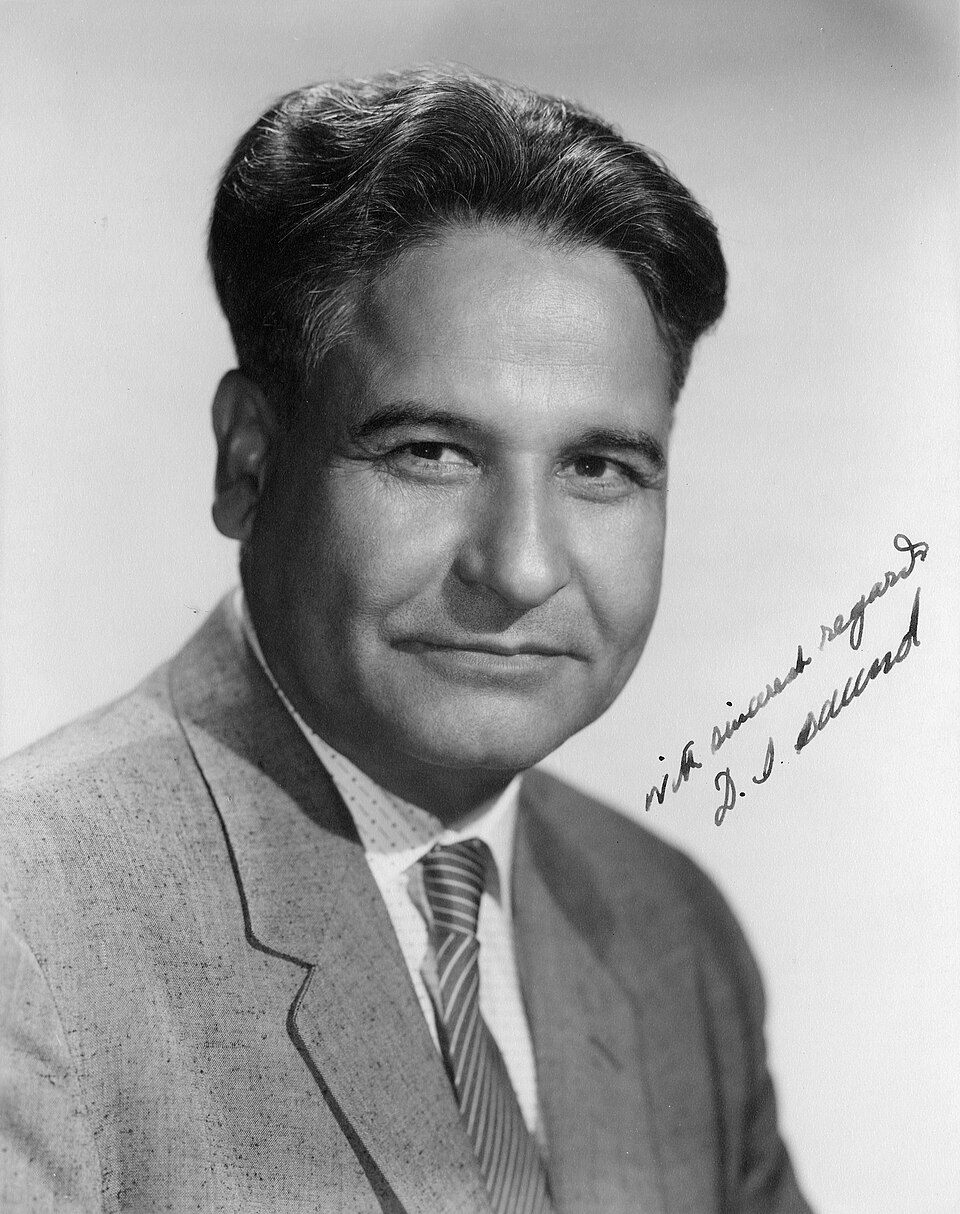
A formal black-and-white portrait of Dalip Singh Saund.
Dalip Singh Saund served in the U.S. House of Representatives.
Dalip Singh Saund, about 1961. U.S. Congress / Wikimedia Commons; public domain.
Image source · Public domain (United States)

Voters choose a person. Show who chooses a representative. Tell one job that person does.

Sources for this card

Grade 1 · Source card

Voters choose Patsy Mink

Voters in Hawaiʻi chose Patsy Takemoto Mink for Congress in 1964. She was the first woman of color elected to Congress. She was Japanese American. She helped write Title IX. This law is about schools that get money from the United States government. It says they must treat girls and boys fairly. Her work shows one job of a representative: helping make laws. Who chooses the people who speak for your club?

Patsy Takemoto Mink poses for her official House portrait.
Patsy Takemoto Mink served in the U.S. House of Representatives.
Patsy Takemoto Mink, about 1994. Library of Congress, 2022638134 / Wikimedia Commons; public-domain item. Source crop.
Image source · Public domain (United States)

A representative and their work. Show who chooses a representative. Tell one job that person does.

Sources for this card
Look and think

Show what you notice

  1. When all of us vote on a rule, who decides? When we pick a representative, who votes on the rule?
  2. What should happen before a vote? How can everyone take part fairly?

Answer your waypointact it outtell or dictatewrite

Grade 1 Science book, p. 59–61
In your book

Session 2, Investigate: A message without words

A signal works when both people know what it means.

You hear two gentle taps from across the room. Is someone saying ready, or asking you to wait? Those taps can be a signal, a sound that carries a message. But it only works if both people agree on the code. The code is what the taps mean. One tap on a cup might mean ready, and two might mean wait. A useful signal must reach the other person and make sense. Noise can hide the taps, while fast taps may blur together. Keep them gentle, but leave enough space to tell them apart. In our test, the receiver points to a picture showing what the taps meant. Listen for the next taps. What message will arrive?

Set up the test

Gather empty lidded cardboard container · paper ready/wait cards · paper ballots or counters · paper and drawing tools

Safety Use gentle taps only, not loud banging. Agree on a stop signal. Clear the indoor route, and keep the device away from ears.

  1. Agree on a code with a partner. One gentle tap on the box means ready. Two spaced taps mean wait.
  2. Stand two big steps apart. Predict: will your partner understand? Practice each code once.
  3. Send three messages in a mixed-up order. The receiver points to ready or wait. Then switch.Adult: Record each message sent and the card the receiver chose.
  4. Compare what you sent and what arrived. Space the taps better or cut noise, then try again.

Try the model

A model to try after your real test.

Getting the model ready…

Grade 1 Social Studies book, p. 80Grade 1 Science book, p. 62

Session 3: Record and make — Our small council

Our small council

Try two ways to make a pretend rule for home or class. Your vote does not make a real law.

  1. Pick two safe ways to order cleanup jobs. Each person votes. They can say it, point or use a paper ballot. Count the votes.
  2. Elect a representative. They listen to all, pick a rule for how to start a game, and tell why.Adult: With only two people, an adult can act as a second group.
  3. Tell who decided each time. Then send ready or wait across the room with your tapping code.

Connect the ideas. Why must all of us know what a vote means? Why must we know what a signal means?

Look closely

Tap a picture to make it big. Zoom in and find the clues.

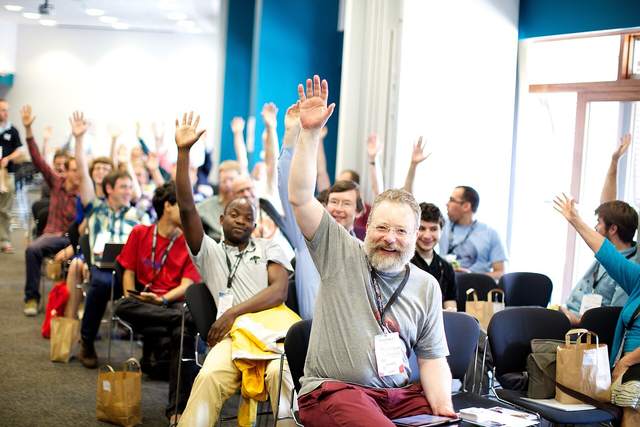
PhotographVoting by raising hands, London, 2014Sebastiaan ter Burg · CC BY 2.0
PhotographSignal flags on a Navy ship, 2010Eli J. Medellin, U.S. Navy · Public domain
PhotographSemaphore flags at sea, 2002Greg Messier, U.S. Navy · Public domain

Watch and wonder

Field trip

Visit with a grown-up. These open other websites in a new tab.

Grade 1 Social Studies book, p. 81

My evidence page: Who decided and what arrived

Show who made each decision. Point, tell, draw or write to explain. Your sound code test stays on your test record.

  • 1Everyone votes on the rule
  • 2Elected representative decides

3Choose and explain · Checkpoint game

Listen, then choose. Finish the game to earn this week’s stamp.

The game needs JavaScript turned on.

For the adult · what each grade shows

Grade 1

Show everyone voting and a representative deciding, and send a sound message across the room.

Grade 2

Explain one strength and one weak spot of each way to decide.

Showing the Grade 1 line for your book.

Showing the Grade 2 line for your book.

Take a photo of the evidence page or the test. Add your child’s own words. It stays on this device.

Add to my portfolio

Parent corner

How to run this week, in a few minutes.

At a glance

Time

From the workbook: Read and notice about 20 min · Investigate 20–30 min, plus short checks · Record and make 20–30 min.

Core

Try direct and representative voting, and send a coded sound message.

Materials
  • empty lidded cardboard container
  • paper ready/wait cards
  • paper ballots or counters
  • paper and drawing tools
Safety

Use gentle taps only, not loud banging. Agree on a stop signal. Clear the indoor route, and keep the device away from ears.

Short week

Read together, then do Investigate steps 1–3, Make steps 1–2 and the evidence page.

Next week

This week supplies the sound component of 1-PS4-4. Save its evidence for the light test next week; do not mark both communication modes complete yet.

Library books

  • Vote! by Eileen Christelow. Follows a mayoral election from campaign to ballot.
  • Handtalk: An ABC of Finger Spelling and Sign Language by Remy Charlip and Mary Beth Miller. Shows how people send messages with hands instead of voices.
Answer key (for grown-ups)

Talk together

  1. When all of us vote on a rule, who decides? When we pick a representative, who votes on the rule?
    In direct democracy, people vote on the decision itself. In representative democracy, elected representatives make decisions for the people.
  2. What should happen before a vote? How can everyone take part fairly?
    Explain choices, allow accessible participation, hear reasons, and protect rights and safety. A majority preference does not settle every ethical question.

What to expect in the investigation

A gentle tap pattern can communicate across a quiet room. Results vary with hearing, background noise, distance, and timing. A heard but misunderstood pattern is not successful communication. Do not increase volume for access. Count messages understood correctly, not just sounds heard. The receiver points to a picture instead of speaking.

Checkpoint question

Electing a decision-maker models representation. Reteach by physically moving the decision card from the whole group to its elected representative.

Kindergarten this weekSocial Studies: Dr. Martin Luther King Jr.Science: Sand, soil and rocks