Story time optional

Picture books you can read together on this site.

From the library

Free with a library card. Availability varies.

Separate Is Never Equal: Sylvia Mendez and Her Family's Fight for Desegregationby Duncan TonatiuhBorrow in LibbyBorrow in HooplaSounds All Aroundby Wendy PfefferBorrow in Libby

Standards this week

The same codes and I Can statements as the printed books.

Books by grade

Grade 1

  • 1.1I can connect citizenship rights and responsibilities.
  • 1.1.2I can explain the Golden Rule and demonstrate fairness, sportsmanship and respect for peers.
  • 1-PS4-1I can show both directions: vibration makes sound and sound can make material vibrate.

Grade 2

Social Studies

Not in the Grade 2 Social Studies book this week.

Science

Not in the Grade 2 Science book this week.

Grade 1 Social Studies book, p. 74–75
In your book

Session 1, Read and notice: A place for everyone

Week 19 big question: How can we notice what others need?

Start with a story (optional) Sahana Makes Music — Read it hereSahana taps spoons and glasses to find all kinds of sounds.

Fair play starts when we ask what each one needs.

Imagine your hand reaching for a ball as a game begins. You want to roll it, but another player wants to toss it. A third player needs more time to respond to the ball. How can all three of you join in the game? Before choosing how to play, find out what each person needs. Fair play starts with listening, even before the ball starts moving.

Treat others well, and ask what works for them.

The Golden Rule says to treat others the way you want to be treated. But what if your friend likes a quieter game than you do? Ask what works for them, since people may want different help or play. Good sportsmanship means taking turns and following the rules you agreed on. It also means accepting a loss without insults and helping fix a mistake.

We have rights, and we must care for the rights of others.

Citizenship links people with the public life of a country. People have freedoms and protections called rights, like the right to share their views. They also have the right to be treated fairly under the law. A responsibility is something we are expected to do, like caring for shared places. Following laws and respecting other people’s rights are part of that work. Rights are not prizes that you lose when someone else wins. So you can disagree and still listen to each other.

Grade 1 · Source card

Mamie Tape wanted to learn

Mamie Tape was a Chinese American child in San Francisco. A public school kept her out because she was Chinese. Her family asked a court for help. In 1885, California’s highest court said she had the right to enter public school. The school law did not allow her to be kept out for being Chinese. Yet officials sent Mamie and other Chinese children to a separate school. Winning the case did not end unfair treatment.
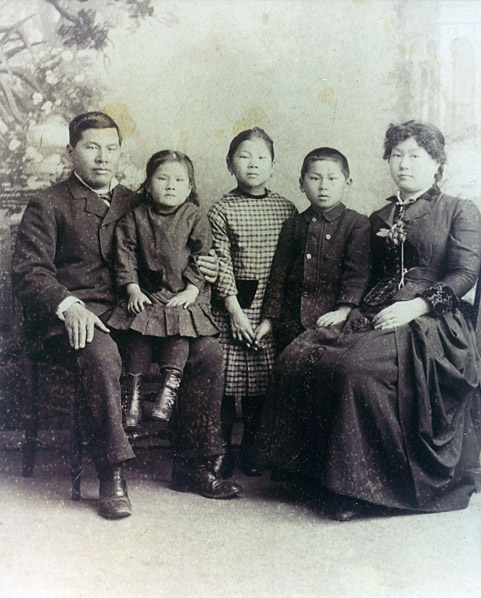
Five members of the Tape family pose for a studio portrait.
The Tape family, about the time of Mamie’s school case.
The Tape family, about 1884–1885. Photographer unknown; Smithsonian exhibition / Wikimedia Commons; public domain in the United States.
Image source · Public domain (United States)

My drawing or words about Mamie. Draw or tell what was unfair. Show how Mamie’s family asked for help.

Sources for this card
Look and think

Show what you notice

  1. Ask what someone needs. How does that help with the Golden Rule?
  2. A player loses a turn. What could they do to show good sportsmanship?

Answer your waypointact it outtell or dictatewrite

Grade 1 Science book, p. 54–56
In your book

Session 2, Investigate: Small movements make sound

Things that vibrate make sound, and sound can make things move.

Pluck a ruler gently, and watch its end blur over the table edge. Can you hear the sound that goes with that blur? The ruler starts to vibrate, moving quickly back and forth. When you stop the ruler, both the movement and sound stop. But sound from a speaker can make something else move too. A membrane, or thin stretched cover, may shake when sound reaches it. That can make a tiny scrap of tissue on top tremble too. In our test, we compare sound on and off. The speaker does not touch the cover. Watch the tissue closely as you listen to the sound. Will you catch that tiny bit of movement?

Set up the test

Gather flexible plastic ruler · small bowl · plastic wrap secured tightly by an adult · one tiny tissue fleck · speaker or phone playing an adult-recorded steady hum · paper

Safety Adults secure wrap and manage the speaker. No sharp or snapping rulers. Use comfortable conversation-level sound, no headphones, and stop for discomfort. Keep small pieces from mouths.

  1. An adult holds a ruler over the table edge. Pluck it gently. Look and listen, then stop it.
  2. Predict: can sound alone move another material?Adult: Stretch wrap over a small bowl. Put one tiny bit of tissue on top.
  3. Turn off fans. Play a gentle hum on and off three times. Nobody blows on or touches the setup.Adult: Put the speaker beside the bowl on a separate support, not touching.
  4. Record both tests. If you can’t tell, write “not observed yet.” Do not make it louder.Adult: If it is unclear, try a lighter bit of tissue or tighten the wrap.

Try the model

A model to try after your real test.

Getting the model ready…

Grade 1 Social Studies book, p. 76Grade 1 Science book, p. 57

Session 3: Record and make — A fair investigation team

A fair investigation team

Play a short game where you take turns. Then make a display about sound.

  1. Pick a game. Ask what helps each partner join in. Agree on turns and a stop signal. Play one round.
  2. Practice disagreeing. Say the other idea back, then give your reason. Answer kindly after a loss.
  3. Make two panels. One shows a vibration making sound. One shows sound moving a thing. Mark any unclear result “not yet.”

Connect the ideas. Ask your partner what feels okay to them. How can that help you test sound in a fair way?

Look closely

Tap a picture to make it big. Zoom in and find the clues.

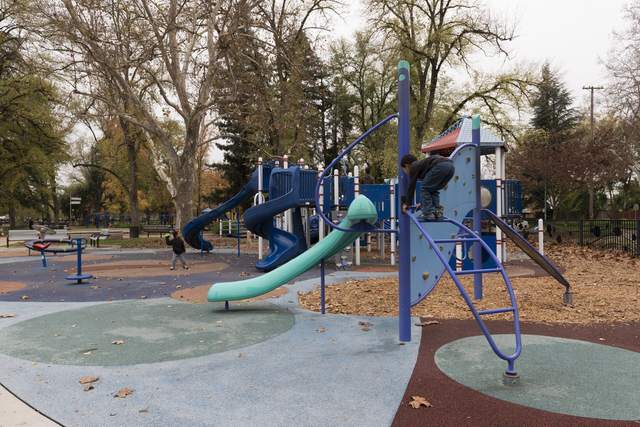
PhotographSouthside Park playground, Sacramento, 2012Carol M. Highsmith · Public domain
PhotographAmerican snare drum, early 1800sUnknown American maker; photo: The Metropolitan Museum of Art · CC0
PhotographGuitar strings up closePisethinfo · CC BY-SA 3.0

Field trip

Visit with a grown-up. These open other websites in a new tab.

Grade 1 Social Studies book, p. 77Grade 1 Science book, p. 58

My evidence page: Fairness and sound evidence

Show a game choice that is fair to others. Then draw or tell what moved and what made sound in each test. A result that is not clear goes on the record too.

  • 1Our fair-play choice
  • 2What each sound test showed, or “not yet”

3Choose and explain · Checkpoint game

Listen, then choose. Finish the game to earn this week’s stamp.

The game needs JavaScript turned on.

For the adult · what each grade shows

Grade 1

Show fair turns and kind disagreement, name a right and a responsibility, and show what each sound test did.

Grade 2

Explain how touching the bowl or bumping the table could mix up the sound test.

Showing the Grade 1 line for your book.

Showing the Grade 2 line for your book.

Take a photo of the evidence page or the test. Add your child’s own words. It stays on this device.

Add to my portfolio

Parent corner

How to run this week, in a few minutes.

At a glance

Time

From the workbook: Read and notice about 20 min · Investigate 20–30 min, plus short checks · Record and make 20–30 min.

Core

Practice fair play, and show that a vibration makes sound.

Materials
  • flexible plastic ruler
  • small bowl
  • plastic wrap secured tightly by an adult
  • one tiny tissue fleck
  • speaker or phone playing an adult-recorded steady hum
  • paper
Safety

Adults secure wrap and manage the speaker. No sharp or snapping rulers. Use comfortable conversation-level sound, no headphones, and stop for discomfort. Keep small pieces from mouths.

Short week

Read paragraphs 2–3, then do Investigate step 1, Make steps 1–2 and the evidence page with the speaker test marked “not yet.”

Next week

Observe quietly or from farther away if needed. If the sound-to-vibration result remains unclear, leave that component pending for another safe setup.

Library books

  • Separate Is Never Equal: Sylvia Mendez and Her Family's Fight for Desegregation by Duncan Tonatiuh. A family works for fair schools for all children.
  • Sounds All Around by Wendy Pfeffer. Explains how sounds are made and travel.
Answer key (for grown-ups)

Talk together

  1. Ask what someone needs. How does that help with the Golden Rule?
    Ask rather than assume identical needs. A player may need quieter play or more response time.
  2. A player loses a turn. What could they do to show good sportsmanship?
    Accept the result without insults, wait for the next turn, or ask respectfully to review an agreed rule. Rights are not earned by winning.

What to expect in the investigation

A plucked ruler usually visibly vibrates and sounds. Stopping it stops both. Speaker sound may move a light fleck on thin wrap; speaker type and membrane tension matter. Control drafts and table vibration. Never raise volume to force success. Compare sound on and off without moving anything. Gentle tests count; louder is not better.

Checkpoint question

Separation prevents direct mechanical contact from substituting for sound traveling through air. Repeat the control if needed.

Kindergarten this weekSocial Studies: History and a new calendar yearScience: Water in sun and shade