Story time optional

Picture books you can read together on this site.

From the library

Free with a library card. Availability varies.

The Relatives Cameby Cynthia RylantBorrow in LibbyBorrow in HooplaBorn in the Wild: Baby Mammals and Their Parentsby Lita JudgeBorrow in LibbyBorrow in Hoopla

Standards this week

The same codes and I Can statements as the printed books.

Books by grade

Grade 1

Social Studies

Not in the Grade 1 Social Studies book this week.

  • 1-LS1-3I can compare young plants and animals with parents, noting similarity and variation.

Grade 2

  • 2.1.2I can compare the learner’s life with older family members or guardians.
  • 2.1.3I can order significant life events on a timeline or storyboard.

Science

Not in the Grade 2 Science book this week.

Grade 2 Social Studies book, p. 39–40
In your book

Session 1, Read and notice: Before, now and next

Week 8 big question: What changes as living things grow? And as families grow?

Start with a story (optional) Joanna’s Grannies — Read it hereJoanna has two very different grannies, and they both love her the same.

A timeline shows the past, the present, and the future.

Think back to a game you learned or a friend you met. Your life has a story, and those events belong in it. A timeline puts events in order so you can follow that story. It shows the past, which happened before now. It also shows the present, which is happening now. You can add a plan for next year, too, but where? It belongs in the future, which has not happened yet.

A decade is ten years. A century is one hundred.

Some stories reach back far beyond the years you have lived. To measure longer stretches, we use a decade for ten years. A century means one hundred years. A generation is a group in the same part of a family’s history. Children are one generation, with their parents in the next group back. Their grandparents belong to the group before that. The years between groups can vary. Guardians and other caring adults can help us explore these long times, too.

Compare one topic to see what changed and what stayed.

In this story, an adult recalls walking to a library. A child now gets some books on a screen. Both like stories, though they get their books in different ways. To learn about your own family, ask willing adults about their lives. Choose one topic, like games or travel, so you can compare their stories. Then look for what changed and what stayed about the same. A timeline can help you follow the stories they choose to share.

Look and think

Show what you notice

  1. Where does a plan for next year go? In the past, the present, or the future?
  2. Why ask each adult about the same thing?

Answer your waypointact it outtell or dictatewrite

Grade 1 Science book, p. 30–32
In your book

Session 2, Investigate: Alike but not identical

Young ones look like their parents, but not just the same.

Where is a young bald eagle’s white head of feathers? That white head comes later, so young birds have mostly dark feathers. A living thing’s young are its offspring, and they look like their parents. But offspring are not exact copies, and they change as they grow. Like its parents, a young eagle has wings and a hooked beak. It also has talons, or sharp claws, on its feet. Each of these parts is a trait, or feature, of the bird.

A bean seedling also has parts like its parent: roots, a stem, and leaves. It is smaller, though, with no ripe seed pods just yet. Young bean plants can differ in height or leaf size. They can still be the same kind. Look for matches, too.

Gather paper and pencil · permitted interview notes · eagle and bean diagrams · optional living plants · bean seeds, three matching small pots, and soil for Week 9 preparation

Safety Do not compare children’s bodies or infer biological relationships from appearance. An adult handles planting materials. Wash hands after soil contact, and keep seeds out of mouths.

  1. Look at the eagle and bean pictures. They are models, not things you saw yourself.
  2. Find two parts a young eagle shares with a grown eagle. Find one difference.
  3. Find two parts a bean seedling shares with a grown plant. Find one difference.Adult: If you have living seedlings, compare their heights without pulling them out.
  4. Make a same-and-different chart. Why are young ones like their parents, but not the same?Adult: Keep what the child saw apart from guesses about why.

Try the model

A model to try after your real test.

Getting the model ready…

Grade 1 Science book, p. 33Grade 2 Social Studies book, p. 41 and 43

Session 3: Record and make — Three moments and three viewpoints

Three moments and three viewpoints

Make a timeline of your life. Then compare it with an older person’s life.

  1. Draw three real events from your life in order. Draw a “now” line. Put one future plan after it.Adult: Add dates or ages if known. Write “about” if you are not sure.
  2. Pick one topic, like play or travel. Compare your life with a parent’s or guardian’s life as a child.Adult: Use only facts people are glad to share, and label whose story it is. A grandparent or other older adult can add another generation. If family history is private or unknown, use a trusted adult’s story.
  3. Show one way the stories are the same and one way they differ. Tell what a decade, a century, and a generation are.

Connect the ideas. You put family events in order. You also looked at a young plant and a grown plant. How are these two jobs not the same?

Look closely

Tap a picture to make it big. Zoom in and find the clues.

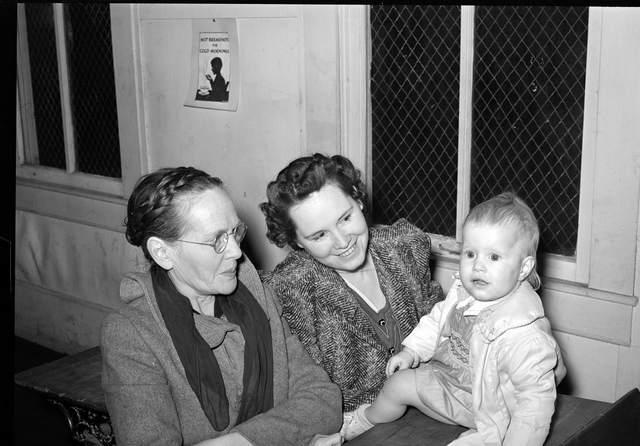
Primary source · photographA three-generation pie supper, Muskogee, Oklahoma, 1940. Look closely: find an older adult, a younger adult and a child.Russell Lee · Public domain
PhotographA young bald eagleMarcie Hebert, U.S. Fish and Wildlife Service · Public domain
PhotographAn adult bald eagleCourtney Celley, U.S. Fish and Wildlife Service · Public domain
PhotographA young bean plantDatadoggieein · CC0

Field trip

Visit with a grown-up. These open other websites in a new tab.

Grade 2 Social Studies book, p. 42

My evidence page: My life in order

Draw three real events from your life in order. Then show “now” and one future plan. Show one way your life is like an adult’s life as a child. Show one way it is not.

  • 1My timeline: past, now, and a future plan
  • 2Across generations: same and different

3Choose and explain · Checkpoint game

Listen, then choose. Finish the game to earn this week’s stamp.

The game needs JavaScript turned on.

For the adult · what each grade shows

Grade 1

Show three of your life events in order, and one way a young eagle and a young bean plant each look like their parents.

Grade 2

Explain why offspring can share traits with their parents without being exact copies.

Showing the Grade 1 line for your book.

Showing the Grade 2 line for your book.

Take a photo of the evidence page or the test. Add your child’s own words. It stays on this device.

Add to my portfolio

Parent corner

How to run this week, in a few minutes.

At a glance

Time

From the workbook: Read and notice about 20 min · Investigate 20–30 min, plus short checks · Record and make 20–30 min.

Core

Put three life events on a timeline, and compare young eagles and bean plants with their parents.

Materials
  • paper and pencil
  • permitted interview notes
  • eagle and bean diagrams
  • optional living plants
  • bean seeds, three matching small pots, and soil for Week 9 preparation
Safety

Do not compare children’s bodies or infer biological relationships from appearance. An adult handles planting materials. Wash hands after soil contact, and keep seeds out of mouths.

Short week

Read together, then do Investigate steps 2–4, Make step 1 and the evidence page.

Next week

Adult preparation: grow three similar bean seedlings in matching small pots of equal soil for Week 9; begin now or earlier. Wait until all have leaves before starting the test.

Library books

  • The Relatives Came by Cynthia Rylant. Several generations of a family visit, share a home and make memories.
  • Born in the Wild: Baby Mammals and Their Parents by Lita Judge. Compares baby mammals and parents, showing what is alike and different.
Answer key (for grown-ups)

Talk together

  1. Where does a plan for next year go? In the past, the present, or the future?
    A plan for next year belongs in the future; it is not a completed event. Approximate dates are acceptable when labeled honestly.
  2. Why ask each adult about the same thing?
    A shared topic makes a meaningful comparison possible. Different access, places, and personal preferences can explain differences; older is not automatically better or worse.

What to expect in the investigation

Eagles share wings, beaks, and talons; juvenile coloration differs. Bean seedlings and mature plants share basic parts but differ in size and reproductive structures. Variation within one kind is expected; appearance alone cannot establish an actual parent. Talons are sharp claws on the feet. The young eagle is smaller at first and has mostly dark feathers. Young bean plants of the same kind can differ in height and leaf size, and growing conditions change them too. A difference does not mean a living thing is a different kind.

Checkpoint question

Choice A. Use ten marks for a decade and ten groups of ten for a century if needed.

Kindergarten this weekSocial Studies: Community workers and placesScience: Animals need food and water