Story time optional

Picture books you can read together on this site.

From the library

Free with a library card. Availability varies.

Wilfrid Gordon McDonald Partridgeby Mem FoxBorrow in LibbyBorrow in HooplaWatch a read-aloud · Storyline OnlineMama Built a Little Nestby Jennifer WardBorrow in Libby

Standards this week

The same codes and I Can statements as the printed books.

Books by grade

Grade 1

Social Studies

Not in the Grade 1 Social Studies book this week.

  • 1-LS1-2I can compare how animal parents help their young survive.

Grade 2

  • 2.1I can distinguish long ago from the recent past.
  • 2.1.1I can use family interviews, photos, artifacts and documents to learn family history.

Science

Not in the Grade 2 Science book this week.

Grade 2 Social Studies book, p. 34–35
In your book

Session 1, Read and notice: A story needs clues

Week 7 big question: How can we learn what a family’s past was like?

Start with a story (optional) The Doll That Bommakka Made — Read it hereA clay doll tells how Bommakka shaped and painted it, and where it went.

Questions and clues help us learn about the past.

What did a grown-up you know play when they were little? Their childhood may be many years before your own life. Even yesterday is part of the past, though it is not long ago. Questions and evidence can help you learn about these different times. Families come in many shapes, each with its own stories. A parent, grandparent, guardian, or other trusted adult may have one to share.

Interviews, photos, objects, and papers are all clues.

First, ask if the person would like to tell their story. In an interview, they can share what they recall about their life. They might tell what they did for fun. Other clues can help you learn more about that time, too. A photo shows one view of one moment. An artifact is an object people made or used. A document, like a dated letter, can save names, dates, or facts. These clues help answer different questions about the past.

Ask who made a source and what it shows.

A letter written during an event comes straight from that time. It is a primary source. So is an account from someone who was there when it happened. A secondary source uses clues like these to explain the past later. No source tells everything, though, and people may feel unsure about what they recall. Ask who made it, when, and what it can really show. Some stories are private, so respect a “no” when you ask. There may still be other stories a person wants to share.

Look and think

Show what you notice

  1. In an interview, a person talks. What can they tell you that a photo can’t?
  2. Why not guess the date of a photo from the clothes in it?

Answer your waypointact it outtell or dictatewrite

Grade 1 Science book, p. 26–28
In your book

Session 2, Investigate: Different ways to care for young

Otters and eagles each care for their young in their own way.

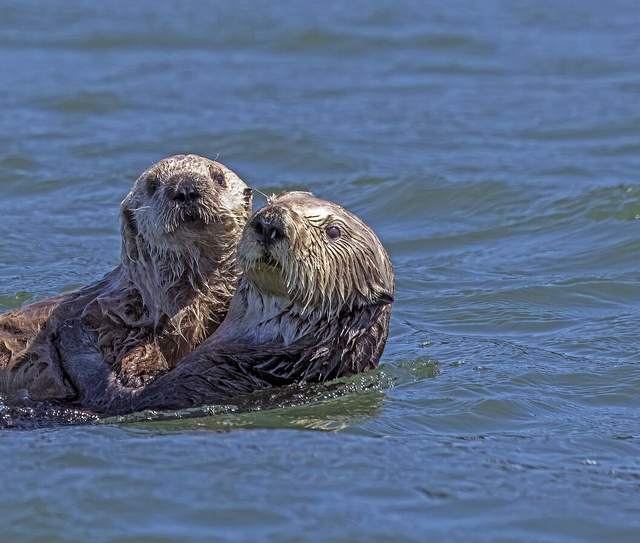
Imagine floating on your mother while she cleans your fur. For a young sea otter pup, this is real care. Its mother carries it on her body and feeds it milk. As she cleans its fur, air held there helps the pup float. That air also helps the pup stay warm. She finds food while her pup learns to survive in water.

Up in a nest, bald eagle parents bring their chicks food. Both parents can tear prey into pieces small chicks can eat. So an otter pup drinks milk, while an eagle chick eats prey. Both get food and help staying safe. Some animals, though, give no care after laying their eggs. What does each young animal need help doing?

Gather paper and pencil · reading or animal-care diagrams · optional family photograph · optional artifact · optional dated family document · bean seeds, three matching pots, and equal soil (for Week 9)

Safety Ask permission before interviewing, handling, copying, or sharing family materials. Keep private names, addresses, and sensitive stories out of public displays. Observe wildlife only through provided descriptions or images. An adult plants the seeds now for Week 9.

  1. Read the otter and eagle parts again. Point to or draw the young one in each.
  2. Make three headings: food, protection, and other care. Sort what each parent does.
  3. Draw an arrow from each thing a parent does to the need it meets.Adult: Use only facts from the reading or pictures. One action can meet more than one need.
  4. Tell one way their care is the same. Tell one way it is not.Adult: If a question is not answered, write “We need another source.”

Try the model

A model to try after your real test.

Getting the model ready…

Grade 1 Science book, p. 29Grade 2 Social Studies book, p. 36 and 38

Session 3: Record and make — A small source collection

A small source collection

Work with a family helper who wants to. Keep your clues at home, and never make one up.

  1. Ask first. Then ask: what did you do for fun as a child?Adult: Write who spoke, the date, and one answer. Ask what they remember about their community, too. If a source is not available, write “not available.”
  2. If it is okay, look at a family photo, an artifact, and a document. Tell one thing each one shows.
  3. Sort your clues: yesterday, earlier in your life, and long ago.

Connect the ideas. A family story needs to show how we know it. So does an animal fact. Why?

Look closely

Tap a picture to make it big. Zoom in and find the clues.

PhotographSea otter mother and pupCharles J. Sharp · CC BY-SA 4.0
PhotographBald eagle parents at their nestU.S. Fish and Wildlife Service Headquarters · CC BY 2.0

Field trip

Visit with a grown-up. These open other websites in a new tab.

Grade 2 Social Studies book, p. 37

My evidence page: What a source tells me

Pick two sources you may use. Show one thing each one tells you, and one thing you still wonder. Add how the animals’ care is alike and different.

  • 1Two sources and what each tells
  • 2Animal care: alike and different

3Choose and explain · Checkpoint game

Listen, then choose. Finish the game to earn this week’s stamp.

The game needs JavaScript turned on.

For the adult · what each grade shows

Grade 1

Show one family detail and where it came from, and one way otter and eagle care is alike or different.

Grade 2

Explain what two of your sources show and what they leave unsure.

Showing the Grade 1 line for your book.

Showing the Grade 2 line for your book.

Take a photo of the evidence page or the test. Add your child’s own words. It stays on this device.

Add to my portfolio

Parent corner

How to run this week, in a few minutes.

At a glance

Time

From the workbook: Read and notice about 20 min · Investigate 20–30 min, plus short checks · Record and make 20–30 min.

Core

Learn one family detail from a source, and compare how otters and eagles care for their young.

Materials
  • paper and pencil
  • reading or animal-care diagrams
  • optional family photograph
  • optional artifact
  • optional dated family document
  • bean seeds, three matching pots, and equal soil (for Week 9)
Safety

Ask permission before interviewing, handling, copying, or sharing family materials. Keep private names, addresses, and sensitive stories out of public displays. Observe wildlife only through provided descriptions or images. An adult plants the seeds now for Week 9.

Short week

Read together, then do Investigate steps 2–4, Make step 1 and the evidence page. If you skip sorting sources into yesterday, earlier personal past, and long ago, note it as “not yet” for your teacher.

Next week

Prepare Week 8 by asking willing adults from two generations about play, learning, or travel. No child must disclose adoption, migration, bereavement, or other private circumstances. Begin three bean seedlings now for Week 9.

Library books

  • Wilfrid Gordon McDonald Partridge by Mem Fox. A boy gathers objects as clues that bring back an older neighbor's memories.
  • Mama Built a Little Nest by Jennifer Ward. Shows how different birds build nests to care for their young.
Answer key (for grown-ups)

Talk together

  1. In an interview, a person talks. What can they tell you that a photo can’t?
    An interview may explain feelings, names, activities, or events outside the picture. A photograph records visible details but cannot independently supply every explanation.
  2. Why not guess the date of a photo from the clothes in it?
    Clothing can suggest possibilities but does not prove an exact date. Ask the owner, check a caption or document, and preserve uncertainty if evidence is missing.

What to expect in the investigation

Both examples provide food and protection. Otters nurse and groom pups; eagle parents bring prey to chicks. Do not infer that all animals or all human families follow either pattern. The mother otter finds food while the pup is still learning to survive in its watery habitat. An otter pup drinks milk; an eagle chick gets bits of prey the parents caught. Not all animals give the same care; some give no care at all after the eggs are laid.

Checkpoint question

Choice B. Praise honest uncertainty. If needed, compare an invented caption with a genuine dated source.

Kindergarten this weekSocial Studies: Jobs at home and schoolScience: Bean plants need light