Story time optional

Picture books you can read together on this site.

From the library

Free with a library card. Availability varies.

Dinosaur Bonesby AlikiBorrow in LibbyOne Plastic Bag: Isatou Ceesay and the Recycling Women of the Gambiaby Miranda PaulBorrow in LibbyBorrow in Hoopla

Standards this week

The same codes and I Can statements as the printed books.

Books by grade

Grade 1

  • 1.2.3I can make a map with directions and symbols.
  • 1.4I can compare life across past places and identify change and continuity.
  • 1-ESS1-2I can record and compare daylight at different times of year.

Grade 2

  • 2.1.3I can order significant life events on a timeline or storyboard.
  • 2.2.2I can label North America countries, oceans, Great Lakes, major rivers and ranges from memory; identify map elements.
  • 2-PSI-2I can test and choose a material for a stated purpose.
Grade 1 Social Studies book, p. 123–124Grade 2 Social Studies book, p. 129–130
In your book

Session 1, Read and notice: The label that needed a question mark

Week 36 big question: What can we show, and what are we still finding out?

Start with a story (optional) Look Again! — Read it herePutti keeps seeing surprising things, until her big sister says, “Look again!”

A fun guess is not a fact until we have evidence.

What does a blue line on an old-looking map mean? That puzzle faces a museum team in this story. Their display sits by a model stream, and the map has no date. A visitor sees it. They say a big flood must have moved the river. Another thinks the line is a road, but neither guess is a fact.

When we are not sure, we can say so.

The team’s curator, who chooses and explains museum objects, starts looking for clues. The team checks the map for a title, legend, scale, and date. Then they compare it with a later map and a written account. Without a legend, they say they are not sure what the line means. If sources disagree, perhaps the maps show different years or places. For now, a question mark may be just what the exhibit needs.

History claims need records, and cover choices need tests.

Then a splash sends water near the team’s paper labels. To keep their work safe and easy to read, they need a cover. They test materials before choosing, because this task needs a different kind of evidence. A history claim needs the right records, while a cover choice needs tests. In the display, the team can show what it knows. It can also show what it is still learning. There is room in this museum for a careful question, too.

Look and think

Show what you notice

  1. In the story, why is “a flood moved the river” not a fact yet?
  2. What could help answer the map question? What could help pick a label cover?

Answer your waypointact it outtell or dictatewrite

Grade 1 Science book, p. 111–113Grade 2 Science book, p. 144–146
In your book

Session 2, Investigate: A new job for familiar materials

Check two things: is the label dry, and can we read it?

You reach for a paper towel when water spills. But would you choose that towel to cover a paper label? Water soaks into the towel and may leave the label wet, too. A clear plastic cover may keep drops off. You can still read the words beneath. Yet water can still sneak through gaps at the edges. So the whole cover matters when you want to keep a label dry. Our test uses matching labels, covers, and water amounts. We check whether labels stay dry and easy to read. A towel may clean a spill well but fail to keep a label dry. What works for one job may fail at another.

Set up the test

Gather four matching paper labels · two equal-sized clear plastic covers · two equal-sized paper-towel covers · tray · teaspoon and water · completed exhibit work · daylight log

Safety Keep water on a tray away from electrical items. Use small plastic pieces only with supervision and never cover faces. Protect original family artifacts; test copies only.

  1. Make two matching labels. Which cover will keep a label dry and easy to read: plastic or paper towel? Guess.Adult: Use the same marks on each label.
  2. Cover each label the same way on a tray. Add one teaspoon of water to each cover.Adult: Use same-size covers with edges lined up the same. Pour from the same low height.
  3. Can you read each label now? After one minute, lift the covers. Is each label dry, damp, or wet?Adult: Repeat with new matching labels and covers.
  4. Pick a cover using both results. Name one strength and one weakness of each.Adult: Have the child sketch a better edge or cover and say what test would check it.

Try the model

A model to try after your real test.

Getting the model ready…

Grade 1 Social Studies book, p. 125Grade 1 Science book, p. 114Grade 2 Social Studies book, p. 131Grade 2 Science book, p. 147

Session 3: Record and make — Four exhibits and an honest ending

Four exhibits and an honest ending

Set up a small museum on a table or in a folder. Show your four best clues.

  1. Draw a map of your museum with a title, an arrow, and a key. Add a timeline of three real things from your life.Adult: Photos of the display are fine. No audience is needed.
  2. Add a history story and where it came from. Add a science claim and what you saw. Keep facts apart from made-up pictures.Adult: The history account should tell the setting, an action, what happened next, and what changed. The child may point, draw, tell, write, or make a private recording. Use copies, not original family artifacts, in any test.
  3. Finish your daylight log (p. 234). Mark a missing season “not yet.” Name one skill you know, one you do with help, and one next step.Adult: Compare real dated records from different times of year at one place. Retry unfinished North American groups with no word list.

Connect the ideas. What new question could help your next test or story?

Look closely

Tap a picture to make it big. Zoom in and find the clues.

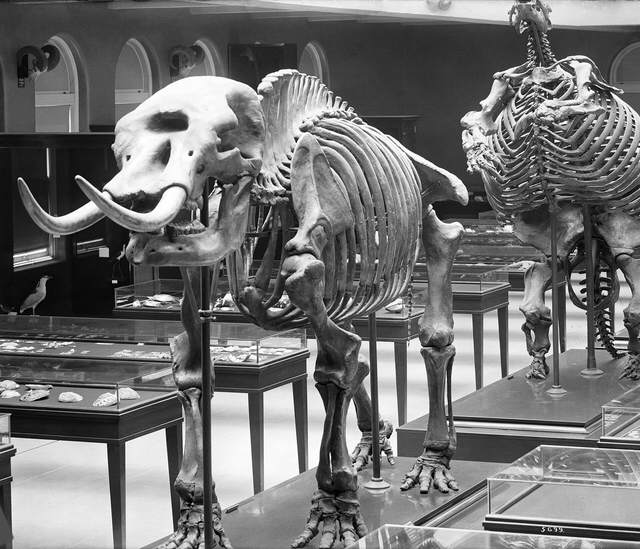
Primary source · photographLos Angeles museum, about 1920Unknown photographer (California Historical Society collection, USC Digital Library) · Public domain
PhotographRaindrops on a blue umbrellaCorraleH · CC0
PhotographWater drops on a leafJon Sullivan · Public domain

Field trip

Visit with a grown-up. These open other websites in a new tab.

Grade 1 Social Studies book, p. 126Grade 1 Science book, p. 115Grade 2 Social Studies book, p. 132Grade 2 Science book, p. 148

My evidence page: What my evidence can show

Pick your strongest claim and its evidence. Then name one limit or open question. Tell a real way you could find out more.

  • 1Claim and evidence
  • 2Limit and next step

3Choose and explain · Checkpoint game

Listen, then choose. Finish the game to earn this week’s stamp.

The game needs JavaScript turned on.

For the adult · what each grade shows

Grade 1

Show your exhibit map with a key and arrow, and one claim with the evidence behind it.

Grade 2

Explain why you chose your cover, using both trials.

Showing the Grade 1 line for your book.

Showing the Grade 2 line for your book.

Take a photo of the evidence page or the test. Add your child’s own words. It stays on this device.

Add to my portfolio

Parent corner

How to run this week, in a few minutes.

At a glance

Time

From the workbook: Read and notice about 20 min · Investigate 20–30 min, plus short checks · Record and make 20–30 min.

Core

Show four pieces of evidence in a small exhibit, and test two label covers.

Materials
  • four matching paper labels
  • two equal-sized clear plastic covers
  • two equal-sized paper-towel covers
  • tray
  • teaspoon and water
  • completed exhibit work
  • daylight log
Safety

Keep water on a tray away from electrical items. Use small plastic pieces only with supervision and never cover faces. Protect original family artifacts; test copies only.

Short week

Read together, then do Investigate steps 1–3 and start the exhibit map and one claim. If you skip the personal timeline and unfinished exhibit-map/history evidence, note it as “not yet” for your teacher.

Next week

Keep a short next-step note tied to unfinished evidence, such as “record daylight at the next seasonal checkpoint,” rather than claiming blanket mastery.

Library books

  • Dinosaur Bones by Aliki. Shows how scientists revise ideas about the past from fossils.
  • One Plastic Bag: Isatou Ceesay and the Recycling Women of the Gambia by Miranda Paul. Women find a new use for old plastic bags.
Answer key (for grown-ups)

Talk together

  1. In the story, why is “a flood moved the river” not a fact yet?
    The map lacks a date and possibly a legend; the line’s meaning and any change are unverified. A plausible cause is not established history.
  2. What could help answer the map question? What could help pick a label cover?
    Map metadata, comparable dated maps, and relevant accounts could help the history question. Controlled cover tests answer the material question. Neither kind of evidence automatically answers the other.

What to expect in the investigation

Plastic often keeps labels drier and more visible; edges, tears, towel thickness, and ink affect outcomes. Record the child’s actual results, including ties. Require both wetness and readability observations in two trials. Proposed improvements remain untested unless tried. A material that works for one job may not work for another, so test the whole setup. If neither cover works well, the child suggests a change. A conclusion with good evidence can still leave a question open.

Checkpoint question

Choice A. Praise accurate uncertainty and identify a useful next source or test.

Kindergarten this weekSocial Studies: Our good-citizen museumScience: Our science museum