Story time optional

Picture books you can read together on this site.

From the library

Free with a library card. Availability varies.

The Erie Canalby Peter Spier (illustrator)Borrow in LibbyLight Is All Around Usby Wendy PfefferBorrow in Libby

Standards this week

The same codes and I Can statements as the printed books.

Books by grade

Grade 1

  • 1.4.2I can describe and compare past forms of transport.
  • 1.6.2I can connect making, transporting and marketing jobs and the importance of work at home.
  • 1-PS4-2I can use evidence that seeing an object requires light.

Grade 2

Social Studies

Not in the Grade 2 Social Studies book this week.

Science

Not in the Grade 2 Science book this week.

Grade 1 Social Studies book, p. 61–62
In your book

Session 1, Read and notice: Along the towpath

Week 17 big question: How do routes and light help people move goods?

Start with a story (optional) Teju’s Shadow — Read it hereTeju is worried that something keeps following him wherever he goes.

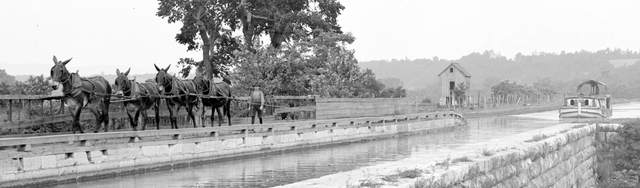
Picture a long, quiet boat sliding slowly through the water. It is piled high with black coal. Long ago, boats like this helped transport goods on the Chesapeake and Ohio Canal. Transport means move. A canal is a waterway that people build. It lets boats travel where no river goes. This one ran through Maryland and Washington, D.C. Boats used it from the 1800s until 1924.

So what made the boats go? Mules did the pulling. Clip, clop, they walked on a towpath beside the water. A long rope called a towline tied them to the boat. People steered the boats and guided the mules. The land was not flat, so the canal needed locks. A lock helps a boat move between higher water and lower water. Lock keepers worked them.

How did your cereal get to your kitchen? People have always had many ways to transport goods. Long ago, they walked and carried loads, and animals pulled wagons. Later, boats and trains moved goods, too. Today, trucks, ships, airplanes and trains carry goods. Some old ways are still useful, because each way fits a different job. A bike works well for a short trip across town. But a ship can carry big loads across an ocean.

A route is the way goods travel, and it depends on where places are. A shop by a harbor may get its goods by water. Ships can come right to it. A shop far from water needs a road or a railway instead.

People may build a new road or railway. Then a far-away shop can become easier to reach. Many people help goods reach us. They include makers, transport workers, sellers and people working at home. Their jobs connect like links in a chain, even when they never meet.

How a canal boat moved
Many ways to move goods
Look and think

Show what you notice

  1. What did the mules do?
  2. How do people move goods today?

Answer your waypointact it outtell or dictatewrite

Grade 1 Science book, p. 42–44
In your book

Session 2, Investigate: Seeing needs light

Close your eyes. Can you see the room now? A delivery worker needs to see labels and paths. But a label does not make its own light. We see it only when light shines on it, then travels to our eyes. In a place with no light, we cannot see it at all. In dim light, small details are hard to notice. A flashlight is different. When it is on, it is a light source. That means it makes its own light. A shiny spoon may sparkle, but it only reflects light from somewhere else. Reflects means bounces back.

Set up the test

Your eye does not send out light.

One box, three kinds of light

Gather opaque box with adult-cut viewing hole and separate light opening · small toy · opaque flap · flashlight · paper

Safety Adults cut holes. Keep room pathways lit; never cover a person or shine light into eyes. Use a battery flashlight, not flame or lasers.

  1. Put the toy in the box. Keep it still.Adult: Close the lid and cover the light opening.
  2. Look in the hole. Keep your face off the box. Predict: will the toy be easier to see with the flap open?
  3. Try A, B and C. Each time, tell what parts of the toy you can see.
  4. Draw what you really saw.Adult: A little light leak? Write “dim,” not “dark.”

Try the model

A model to try after your real test.

Getting the model ready…

Session 3: Record and make — Two routes, one delivery

What I really saw

A
B
C

Fill this in on your workbook page.

Two routes, one delivery

Draw a pretend place with a harbor and a road. Add a shop inland and a shop by the water.

  1. Trace a water route and a road route. Draw a canal boat from long ago with its mules and towpath.
  2. Add a maker, a transport worker, a seller and someone doing unpaid work at home. Tell each job.
  3. Put a toy delivery label in your test box. Tell why more light helps you see it.

Connect the ideas. Transport workers need a good route. Why do they also need enough light to read labels?

Look closely

Tap a picture to make it big. Zoom in and find the clues.

Primary source · photographC&O Canal at Williamsport, Maryland, about 1903Detroit Publishing Co. · Public domain
PhotographA towboat pushes coal barges, Ohio River, 2009Joe Schneid · CC BY 3.0

Watch and wonder

Field trip

Visit with a grown-up. These open other websites in a new tab.

Grade 1 Social Studies book, p. 65

My evidence page: Routes and visibility

Draw your two routes with arrows. Then show the toy in less light and in more light. Point, tell or write to explain the difference.

  • 1Water and road routes
  • 2Less light
  • 3More light

4Choose and explain · Checkpoint game

Listen, then choose. Finish the game to earn this week’s stamp.

The game needs JavaScript turned on.

For the adult · what each grade shows

Grade 1

Show two old ways goods moved, their workers, and the toy in less light and more light.

Grade 2

Explain why each shop uses its route, and how a new road could change that route.

Showing the Grade 1 line for your book.

Showing the Grade 2 line for your book.

Take a photo of the evidence page or the test. Add your child’s own words. It stays on this device.

Add to my portfolio

Parent corner

How to run this week, in a few minutes.

At a glance

Time

From the workbook: Read and notice about 20 min · Investigate 20–30 min, plus short checks · Record and make 20–30 min.

Core

Map a water route and a road route, and compare a toy in less and more light.

Materials
  • opaque box with adult-cut viewing hole and separate light opening
  • small toy
  • opaque flap
  • flashlight
  • paper
Safety

Adults cut holes. Keep room pathways lit; never cover a person or shine light into eyes. Use a battery flashlight, not flame or lasers.

Short week

Do the box test and the evidence page. If you skip the second old way of moving goods and the worker who moved them, note it as “not yet” for your teacher.

Next week

Retrieve one North American river and locate Maryland with the reference map. This is practice, not a full memory-map assessment.

Library books

  • The Erie Canal by Peter Spier (illustrator). Picture-book version of an old canal song; it is about the Erie Canal in New York, a different canal from the C&O.
  • Light Is All Around Us by Wendy Pfeffer. Explains that light lets us see.
Answer key (for grown-ups)

Talk together

  1. What did the mules do?
    Mules pulled the boats from a towpath. People steered boats, guided animals, and tended locks. Wagons and trains provide other past transportation examples.
  2. How do people move goods today?
    A usable harbor connects a shop to water transport; an inland shop needs roads, rail, or another link. Distance alone does not determine every route.

What to expect in the investigation

More light usually reveals more toy details. A viewing hole can admit light, so the covered box may be dim rather than fully dark. Do not describe a visible toy as evidence of seeing in total darkness.

Checkpoint question

The switched-on flashlight produces light; the spoon reflects it. Revisit the box if the child thinks shiny means self-lighting.

Kindergarten this weekSocial Studies: Family-choice winter daysScience: Hit the target