Story time optional

Picture books you can read together on this site.

From the library

Free with a library card. Availability varies.

Fry Bread: A Native American Family Storyby Kevin Noble MaillardBorrow in LibbyBorrow in HooplaWatch a read-aloud · Jaquith Public LibraryAnimal Dadsby Sneed B. Collard IIIBorrow in Libby

Standards this week

The same codes and I Can statements as the printed books.

Books by grade

Grade 1

  • 1.5I can describe community languages, buildings, transport, foods and varied backgrounds.
  • 1.5.1I can explain shared needs, differences, benefits of diversity and ways to resolve misunderstandings.
  • 1.5.2I can give specific Indigenous and immigrant contributions to California and the United States.
  • 1-LS1-2I can compare how animal parents help their young survive.
  • 1-LS1-3I can compare young plants and animals with parents, noting similarity and variation.

Grade 2

Social Studies

Not in the Grade 2 Social Studies book this week.

  • 2-LS2-2I can model animal assistance in seed dispersal or pollination.
  • 2-LS4-1I can compare the variety of plants and animals in different habitats.
Grade 1 Social Studies book, p. 115–116
In your book

Session 1, Read and notice: Culture keeps moving

Week 34 big question: Some ways of life go on today. How can a museum show them, and living things, with care?

Start with a story (optional) The Doll That Bommakka Made — Read it hereA clay doll tells how Bommakka shaped and painted it, and where it went.

Yurok people still care for their land today.

Imagine a museum display about people caring for plants today. It could show Yurok people in northern California tending their ancestors’ lands. To help with this work, the community leads the Cultural Fire Management Council. The council plans careful burns to care for plants people gather in traditional ways. These burns take skill, so trained adults plan and do the fire work. Children never do this work. These ways of caring for the land live on today.

Chinese workers and the Cherokee Nation helped shape life for all.

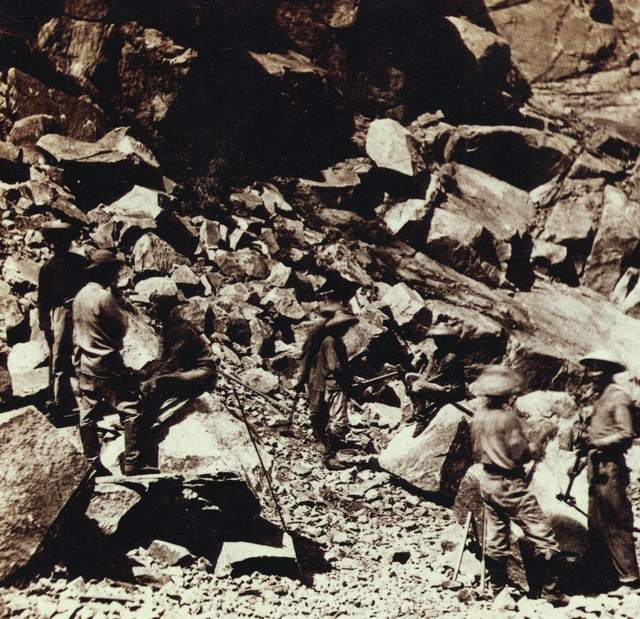
Chinese immigrants helped build roads in Yosemite and worked on the railroad. By linking California with places across the United States, the railroad changed travel. They did this work even while they faced unfair treatment. Indigenous people have helped shape the nation, and still do today. The Cherokee Nation helps people use the Cherokee syllabary on computers and phones. Its signs stand for syllables. So people can use their own language on new tools.

Ask with care, and do not guess about people.

Have you ever heard a greeting you did not understand? A kind question can help clear up a mix-up. People in a culture share ways to live, make things, and understand the world. Their needs may be alike, while their ways differ and change over time. People can choose which of their local stories to share. Some stories are private, and no one speaks for everyone in a culture. An exhibit should never guess people’s beliefs or whether they are citizens. Names, clothes, and looks cannot tell us those things.

Sources for this reading

Grade 1 · Source card

Remember Larry Itliong and the farm workers

Larry Itliong helped Filipino American farm workers ask for better pay. They began a grape strike in Delano, California, on September 8, 1965. In a strike, people stop work together to ask for change. Use your card as a source for a museum label.

My museum label. Name Larry Itliong and the farm workers. Show their work in California.

Sources for this card
Look and think

Show what you notice

  1. Name ways Indigenous people and people who moved here helped. Think of California and the whole United States.
  2. How can people share needs but do things in different ways? How can they kindly fix a mix-up?

Answer your waypointact it outtell or dictatewrite

Grade 1 Science book, p. 103–105Grade 2 Science book, p. 132–134
In your book

Session 2, Investigate: Young ones, parents and helpers

Offspring look like their parents, but not just like them.

Could you match a kitten with its parent by looks alone? Both have fur, legs, and tails, but the kitten is smaller. These offspring, or young, are not exact copies, and fur patterns may differ. A young bean plant also looks like its parent, with stems and leaves. But it may have no flowers or pods just yet. Parents care for young in different ways, too. Cats and emperor penguins both feed theirs. Cats give kittens milk, while penguins bring food and keep chicks warm. Animals also help disperse seeds. Hooked fruits catch on fur and carry seeds to new places. Next time you see young plants or animals, look for family likenesses.

Gather reading descriptions; optional parent-young illustrations · paper · tape loops and large paper seeds · cloth toy or scrap · earlier habitat records

Safety Do not handle wild animals or unknown seeds. Use large paper seeds and a cloth model. Cultural burning is information only, never an activity to imitate.

  1. Compare a bean plant and its young, then a cat and its kitten. Tell one same, one different.
  2. How do a cat and an emperor penguin care for young? Show one way alike, one way different.
  3. Pick one station: seeds on fur, or two habitats. Do it, and record what happens.Adult: Seeds: stick tape-loop paper seeds on cloth “fur,” move it, and let seeds drop. Habitats: watch two safe places for the same time and list kinds.
  4. Tell what your station shows and misses. Count kinds, not single living things.Adult: Mark the other station “not yet.”

Try the model

A model to try after your real test.

Getting the model ready…

Grade 1 Social Studies book, p. 117Grade 1 Science book, p. 106Grade 2 Science book, p. 135

Session 3: Record and make — Living stories evidence cards

Living stories evidence cards

Build two parts: one on how people helped shared life, and one on living things. People’s ways of life are not sorted like the traits of plants.

  1. Make cards on Yurok land care, Chinese road and railroad work, and Cherokee writing on phones. Tell how each one helped.Adult: Yurok land care and Yosemite roads are California examples. Cherokee writing and the railroad are national ones.
  2. Add your own town: its words, buildings, food, and ways to get around. Name a need people share and a way they differ. Never guess about anyone.Adult: Include only backgrounds people chose to share. Ask how a kind question could fix a mix-up, and what good comes from people knowing different things.
  3. Add your plant and animal cards and what your station found. Fix two weak labels from past weeks.

Connect the ideas. A label should name just who or what it is about. Why?

Look closely

Tap a picture to make it big. Zoom in and find the clues.

Primary source · photographChinese railroad workers near Summit Tunnel, California, about 1866. Look closely: find the workers.Alfred A. Hart · Public domain
PhotographA cat washing a kittenJennifer C. · CC BY 2.0

Watch and wonder

Field trip

Visit with a grown-up. These open other websites in a new tab.

Sources behind this trip and reading

Grade 1 Social Studies book, p. 118Grade 2 Science book, p. 136

My evidence page: A living story, not a stereotype

Show one way people helped, with its source. Show both parent-and-young comparisons. Show what your science station found.

  • 1How people helped, and the source
  • 2Parents, young, and my station

3Choose and explain · Checkpoint game

Listen, then choose. Finish the game to earn this week’s stamp.

The game needs JavaScript turned on.

For the adult · what each grade shows

Grade 1

Show how two groups helped shape shared life, and how a young plant or animal is like its parent.

Grade 2

Explain what your science station shows and one thing it cannot show.

Showing the Grade 1 line for your book.

Showing the Grade 2 line for your book.

Take a photo of the evidence page or the test. Add your child’s own words. It stays on this device.

Add to my portfolio

Parent corner

How to run this week, in a few minutes.

At a glance

Time

From the workbook: Read and notice about 20 min · Investigate 20–30 min, plus short checks · Record and make 20–30 min.

Core

Tell how named groups helped shape shared life, and compare young living things with their parents.

Materials
  • reading descriptions; optional parent-young illustrations
  • paper
  • tape loops and large paper seeds
  • cloth toy or scrap
  • earlier habitat records
Safety

Do not handle wild animals or unknown seeds. Use large paper seeds and a cloth model. Cultural burning is information only, never an activity to imitate.

Short week

Read together, then do Investigate steps 1–2 and record both comparisons. If you skip the science station, note it as “not yet” for your teacher. If you skip the local-community categories, note it as “not yet” for your teacher (unless you already have this evidence from an earlier week).

Next week

Keep two priority gaps for next week; do not mark every life-science target complete because an exhibit looks finished.

Library books

  • Fry Bread: A Native American Family Story by Kevin Noble Maillard. A Seminole author shows a living food tradition shared across generations.
  • Animal Dads by Sneed B. Collard III. Shows animal fathers who help care for young.
Answer key (for grown-ups)

Talk together

  1. Name ways Indigenous people and people who moved here helped. Think of California and the whole United States.
    California examples: Yurok land stewardship and Chinese Yosemite road work. National examples: Cherokee language technology and Chinese transcontinental railroad work. Explain contributions, not merely names. Indigenous peoples and immigrant communities continue living and contributing today.
  2. How can people share needs but do things in different ways? How can they kindly fix a mix-up?
    Shared needs include safety, food, learning, and belonging. Different knowledge can help a group; unfamiliar words or greetings may need explanation. People themselves are not the problem.

What to expect in the investigation

Require both plant and animal comparisons. Bean stems/leaves and cat fur/legs are similarities; size, mature pods, and possible coat variation are differences. Cats and penguins feed young differently. Tape seeds model transport and release, not real seed growth. Cats and penguins both feed their young, in different ways. Kittens can differ from parents in size and sometimes fur pattern. A model can show the seed trip; watching two habitats can show different kinds of living things.

Checkpoint question

Choice B. Reteach resemblance without exact sameness.

Kindergarten this weekSocial Studies: Why these Americans matterScience: A problem for someone I know